

Getting Around the Balkans by Public Transport
Travelling the Balkans without a car is easy and cheap, but the practical details work differently from Western Europe and catch many visitors off guard. This page collects what applies across the region, then points you to detailed, first-hand route guides.
Buying tickets
Online booking is often unavailable or unreliable. For several connections you buy at the station counter, sometimes only a day or two in advance, and cash is the safer bet — card is not accepted everywhere. English at the counter is usually not a problem.
Borders and passports
Many routes cross international borders, for example Bulgaria to Serbia or Serbia to Montenegro. Always carry your passport: you will need it on board, and sometimes already when buying your ticket.
Local transport in the cities
City transport is inexpensive, and in Belgrade it is currently free for everyone. Stops are usually right outside terminals and stations, so you rarely need a taxi.
From Sofia (Bulgaria)
Landing at Sofia Airport? Sofia Airport to the city centre covers the €0.80 metro on Line M4, what to do if you arrive at Terminal 1, and the gap after the last train around midnight.
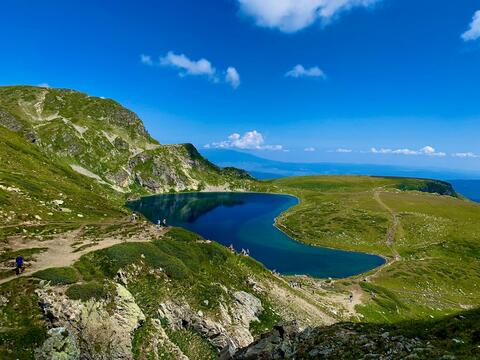
The Seven Rila Lakes hike shows how to reach Bulgaria's most famous alpine lakes from Sofia by metro, bus and the tricky final leg up to Panichishte.
Looking for an even bigger challenge? Mount Musala, the highest mountain in the entire Balkans (2,925 m), can also be reached without a car. This guide explains how to travel from Sofia Airport to Borovets by metro and bus, whether the Yastrebets gondola is worth taking, and what to expect on the hike to the summit.

The Sofia to Belgrade bus covers where to buy tickets, the transfer in Niš, the border crossing and where you actually arrive in Belgrade.
From Belgrade (Serbia)
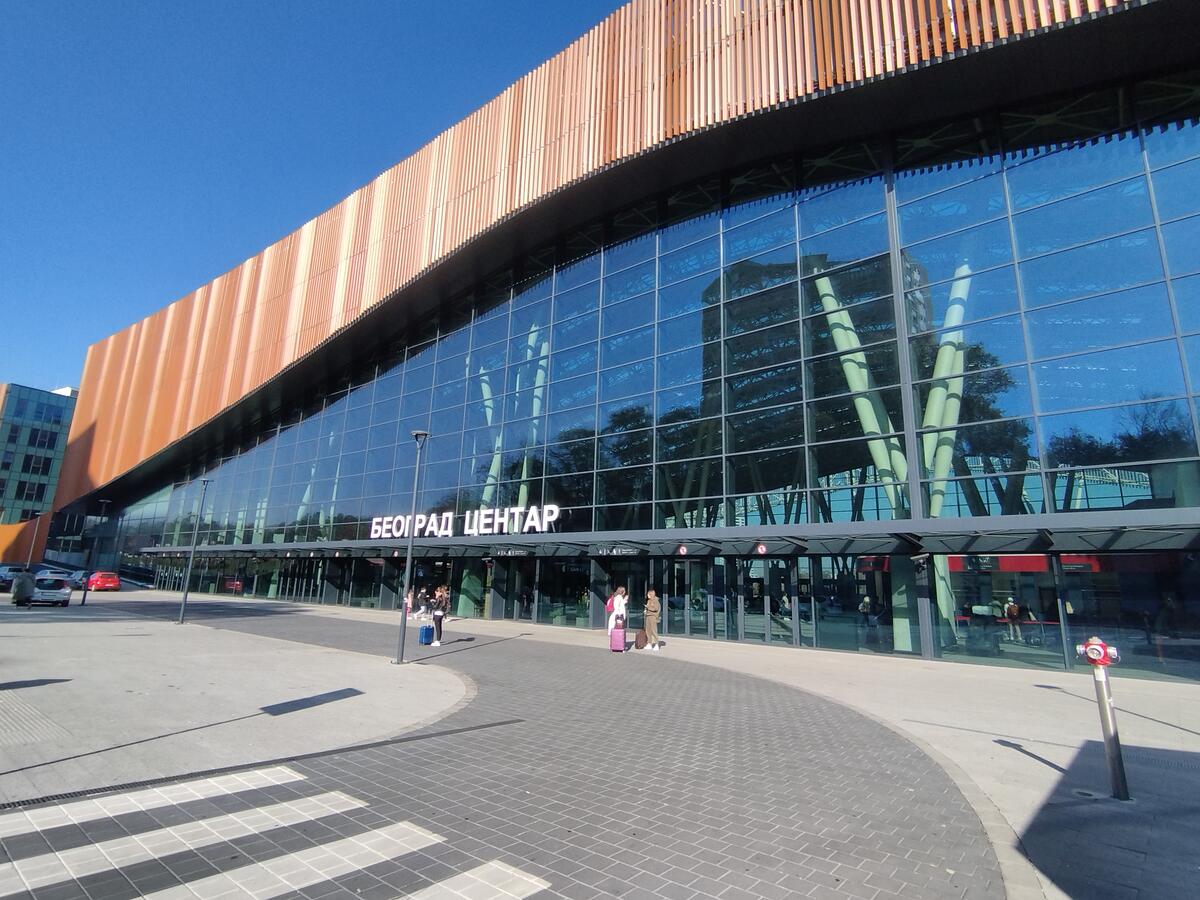
Arriving by air? Belgrade Airport to the city center explains which free bus lines to take and how long the ride downtown takes.
The Belgrade to Bar train is one of Europe's most scenic rail journeys — ticket prices, sleeper options, and why you can only buy at the counter.
From Ljubljana (Slovenia)
Slovenia is the gentlest entry into the region, and most of the rules above do not apply here. The country is in the EU, in Schengen and in the eurozone: no passport check when you arrive from Austria or Italy, and cards work almost everywhere. One local warning instead — Ljubljana railway station is a large building site, so allow extra time to find your platform, and expect signage to be missing where you most need it.
Coming overland from Germany? Dresden to Ljubljana by train covers the Villach transfer, what the two-hour gap between connections really means, and where the journey is worth breaking.
Arriving by air? Ljubljana Airport to the city centre explains the Arriva coach from stand 28, the €4 fare paid to the driver, why one driver took cash and the other did not, and the last departures at 20:10 and 21:00.
The train to Lake Bled is the classic day trip: tickets from the counter in the old station building, €15.40 return, and an unsignposted transfer at Jesenice that catches out most first-timers.

From Maribor (Slovenia)
Slovenia's second city is the gateway to the east of the country and to Ptuj, its oldest town. Guides for the train from Ljubljana and the short hop on to Ptuj are in preparation.
This collection grows as new routes are added.
New route online? You'll see it on Telegram first.
Follow on Telegram