

Beirut-Rafic Hariri International Airport to Byblos (Jbeil) via Shared Taxi and Local Transport- First Hand Travel Experience
In April of 2026, I travelled from Beirut’s Rafic Hariri International Airport to Byblos Jbeil using a combination of shared airport taxi transport and local transportation connection. This report documents the routes, transportation process, approximate costs, timing, and practical observations from the journey to help future travelers understand what to expect. In addition, cost differences between different services will be highlighted to match expectations for all types of travelers and their budget.
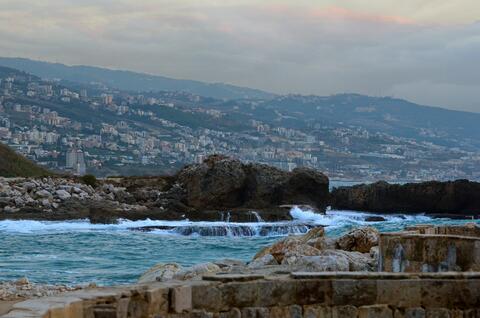
During the Easter vacation of 2026, my travel to Beirut from Dubai involved Middle East Airlines, the national carrier of Lebanon, which has been through a variety of difficult times ranging between several wars, and a major economic crisis, striking Lebanon in 2019. Despite all the past events, it continues to thrive and fly, allowing me to arrive at Beirut’s international airport (Rafic Hariri International Airport) safely. After completing all the arrival procedures and exiting the terminal, I proceeded toward the public transportation and taxi pickup section outside the airport.
The airport area was active with private taxis, shared “service” taxis, and drivers coordinating routes toward Beirut and its neighboring suburbs and cities.
Since I was travelling to Byblos (known as Jbeil in Lebanon), I chose shared transportation, as it was the most feasible and cost-efficient method of travel, especially during the high season of Lebanon.
One of the important points to take into consideration upon leaving the airport is that the only method of reaching Beirut to head towards the desired point of interest via public transportation is, unfortunately, to use a taxi first. A taxi from the airport to main city Beirut cost around 15 to 30 dollars, which is somewhat reasonable considering the current economic circumstance of Lebanon, in which people typically struggle to keep up with their finances. Such taxis are found directly at the terminal’s exit with RED plate numbers.
I told the taxi to drop me off at the National Museum of Beirut, which is at around the eastern section of Beirut
Fun Fact: The National Museum also marked the point of separation between Muslims and Christians during the 1975 civil war.
The National Museum was unfortunately closed at my time of arrival, however, the bus stop there was my main purpose of settling there, as it consisted of several governmental public buses that travelled to Byblos at different times throughout the day.
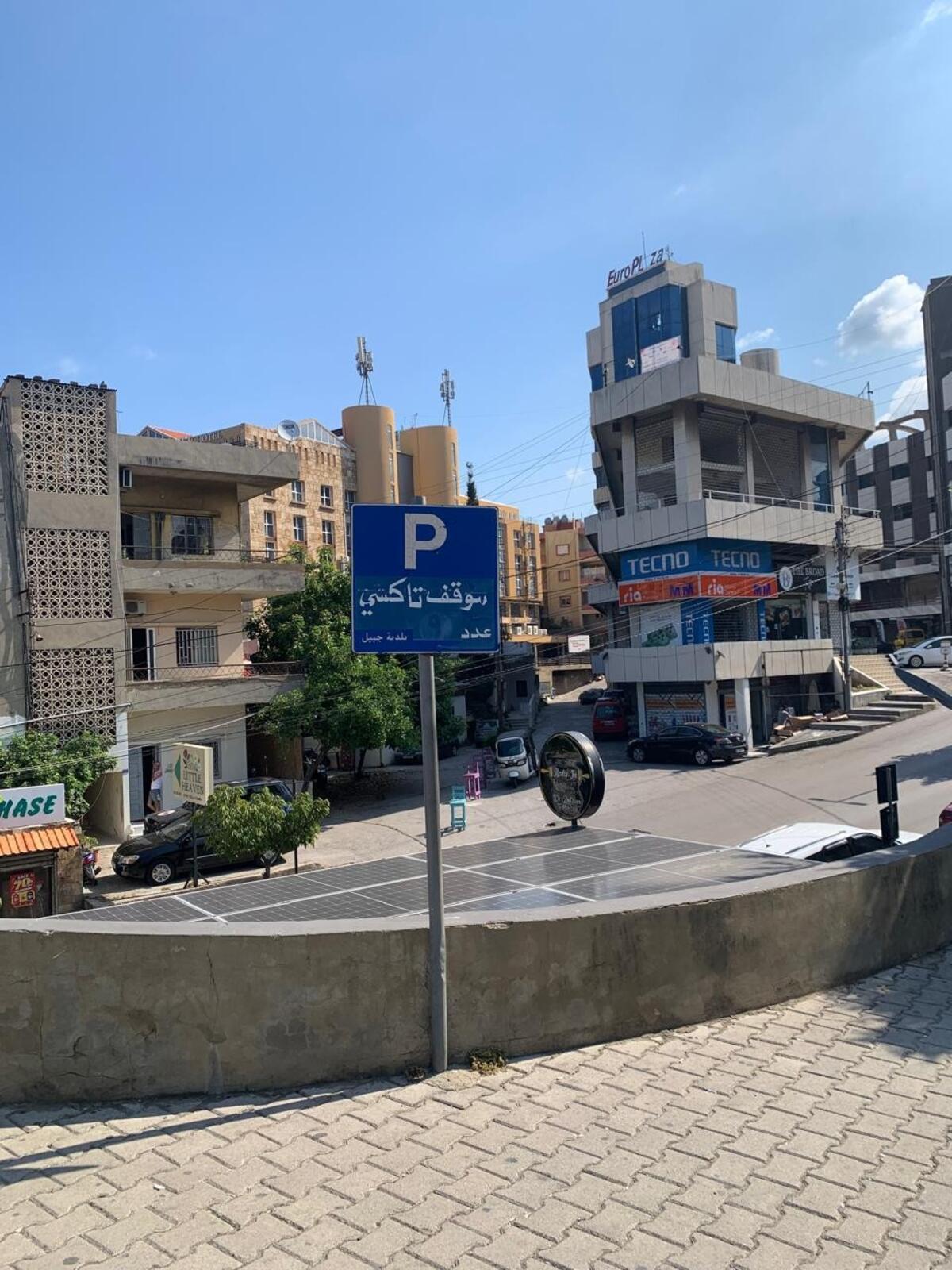
It is important to note that a bus station does not exist in Lebanon, and bus stops are found on Google maps, as they are not always marked on the sidewalk. If they are, stops are usually marked with a blue sign involving a P letter in the middle, such as the picture to the left. In addition, one can always get on a bus even when not at a stop, facilitating movement at times.
The different bus lines had names, in which the Beirut-Byblos line was named ML4, a purple-colored line consisting of buses around every half hour or so. At 10 AM, my desired time of departing, a purple government owned bus passed by the bus stop, in which I got on, and patiently waited to get to Jbeil. The bus fare to Jbeil was only 120,000 LBP, equating to about 1.30 USD, which is ridiculously cheap in comparison to the taxi which brought me to the National Museum from the airport. It is also important to note that you do not have to reserve a bus ticket, as there are no bus tickets in Lebanon. The process involved walking in and out of the bus and paying by cash.
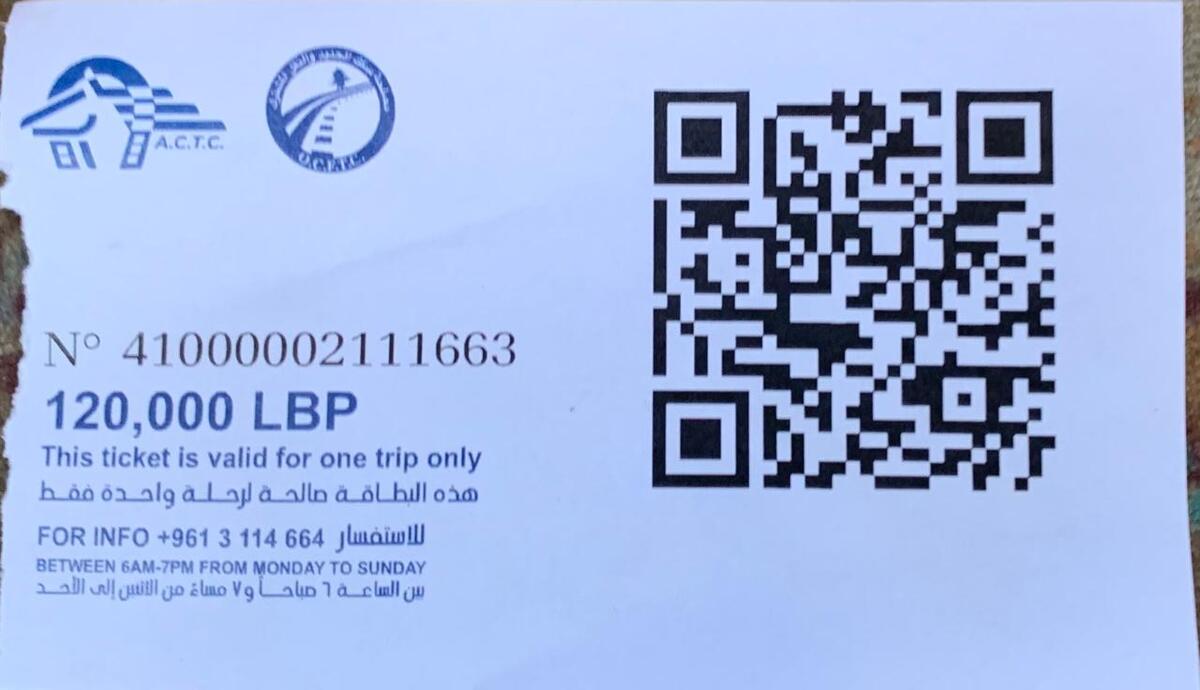
The only document proving you are a passenger is the paper attached below in the picture. This represents how easy going the Lebanese people are, making them unique to the world.
The trip mainly involves a highway, which includes remarkable views ranging from cities to coastal lines, and more, helping the passenger deal with boredom easily.
Considering that it was morning, and had just gotten off an airplane, I had decided to have breakfast upon my arrival in Byblos, at the famous Wooden Bakery. About an hour and thirty minutes later, which wasn't considered too long as traffic was lighter than usual, the bus dropped me off at the Byblos bus stop, directly in front of the Wooden Bakery.
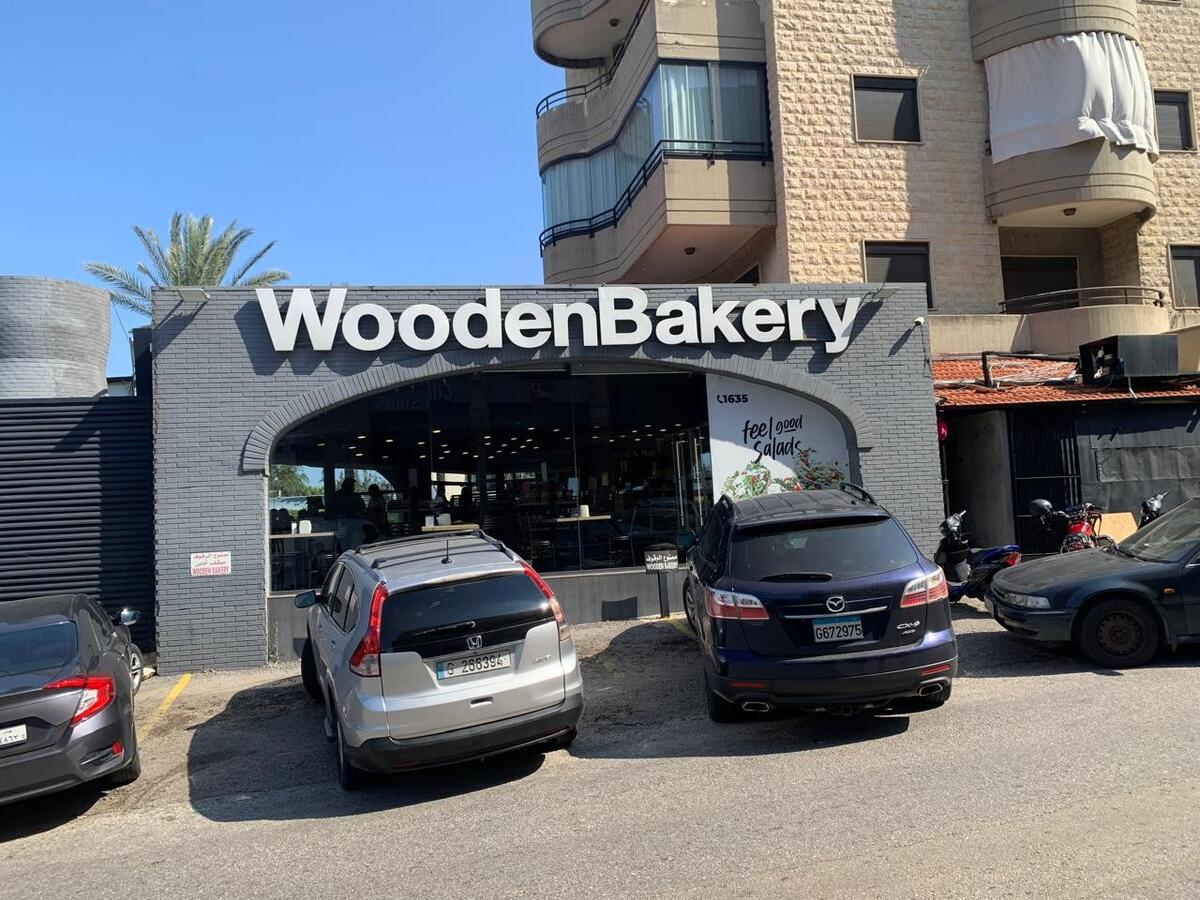
Several passengers got off and purchased manakish fresh out of the oven. I personally purchased a cheese and zaatar mankousheh, as it was recommended by my friend who lived in Jbeil.
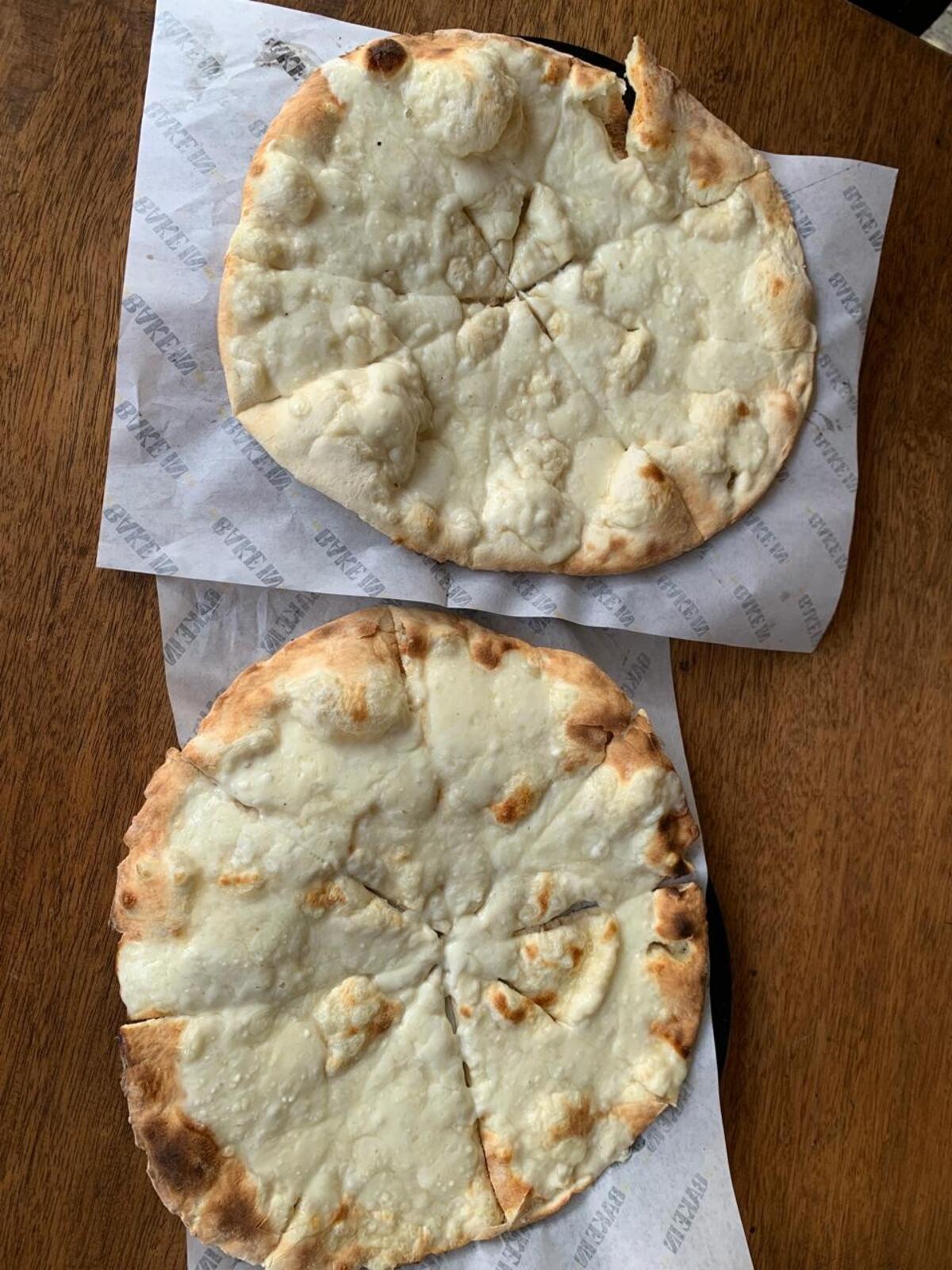
This moment stood out as one of the most memorable and authentic parts of the journey, reflecting the informal and flexible nature of local transportation and availability of simple foods in Lebanon.Never would I have thought that my travels from Dubai to Lebanon to Jbeil in addition to having a mankousheh would occur on the same day.
Things I Would Recommend Bringing or Preparing Before Taking This Route
- For travelers planning to take the Beirut Airport to Jbeil route using local transportation, I would strongly recommend carrying small cash bills in both Lebanese pounds and US dollars before leaving the airport. Many taxi drivers and bus operators prefer cash, and some may not have enough change for larger notes.
- I would also recommend having mobile internet access or an offline map application ready before leaving the airport area. Bus stops and pickup points are not always clearly marked, especially for first time visitors unfamiliar with Beirut.
- Another useful thing to bring is light luggage or at least luggage that is easy to carry. Shared taxis and public buses can become crowded, and storage space is limited compared to airport shuttle services.
- Because the journey can take over an hour depending on Beirut traffic, bringing water or a small snack is useful, although roadside bakery stops are common on some routes. During my trip, passengers briefly stopped purchasing the manakish, but don't count on it as a full meal.
- For travelers arriving during the summer months, I would also recommend lightweight clothing because buses are not always strongly air conditioned, especially during busy daytime hours.
- Finally, I would recommend asking the driver directly before boarding whether the vehicle is continuing all the way to Jbeil, as some buses stop earlier in nearby coastal cities, which can be annoying to work with.
New route online? You'll see it on Telegram first.
Follow on TelegramRoute Details
Beirut-Rafic Hariri International Airport
0h 30m


National Museum of Beirut
€26.10
National Museum of Beirut
2 hours
Byblos (Jbeil) Lebanon
€1.15
0 hours
-
FAQ - Quick Guide
0 Comments
Sign in to write a comment and share your experience.
Login
User Name
Just now--:--
€ 0,00